 Reviews

 Proudly American
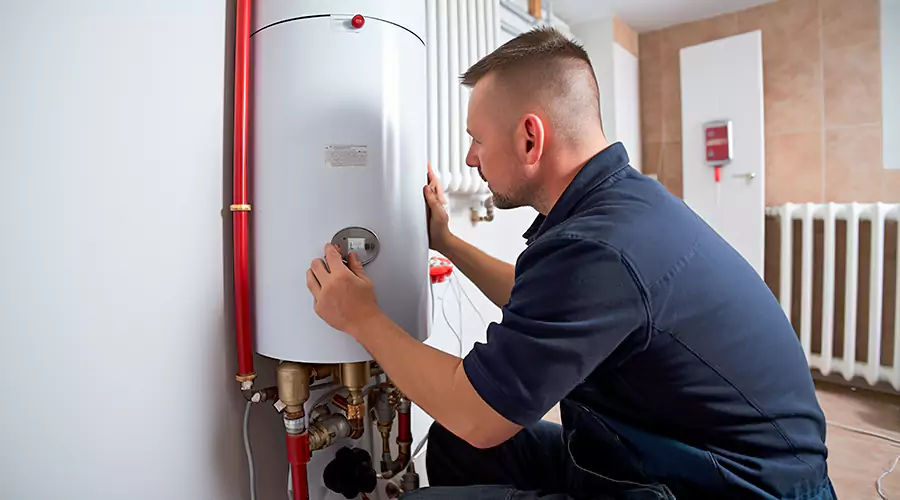
A water heater is one of the most important appliances in any home, providing hot water for showers, laundry, dishwashing, and daily chores. Over time, water heaters can wear out, and early detection of problems is crucial to prevent costly repairs, sudden failures, or water damage. Proper maintenance and timely replacement ensure safety, efficiency, and comfort for homeowners.
This guide explains the warning signs of a failing water heater, common causes, and practical steps homeowners can take to maintain or replace their system.
Why Detecting Water Heater Problems Early Matters
Ignoring early warning signs of water heater failure can lead to:
- Unexpected Loss of Hot Water: Leaving you without essential hot water for daily needs.
- Water Damage: Leaks or tank bursts can harm floors, walls, and ceilings.
- Higher Energy Bills: Inefficient heaters consume more electricity or gas.
- Corrosion Damage: Rust can affect the water heater tank and connected copper or PVC water pipe installations.
- Health Risks: Rusty or contaminated water may affect drinking water quality and laundry.
Early detection allows homeowners to schedule professional maintenance or replacement before problems escalate, saving money and avoiding disruptions.
Common Warning Signs Your Water Heater Is Failing
1. Inconsistent Water Temperature
Hot water may run out quickly or fluctuate during use. Water might not reach the desired temperature despite thermostat adjustments. This could indicate failing heating elements in electric units or burner issues in gas models.
2. Rusty or Discolored Water
Brown or reddish water from taps is a clear sign of tank corrosion. Rust can damage the tank and connected water pipe installations, stain laundry, and reduce water quality.
3. Strange Noises
Rumbling, popping, or hissing sounds may indicate sediment buildup inside the tank. Sediment reduces heating efficiency and accelerates wear on the water heater. While flushing the tank can reduce noise, persistent sounds may signal deeper problems requiring professional attention.
4. Water Leaks Around the Tank
Leaks can occur at the tank, valves, or surrounding pipes. Even small leaks can damage floors, walls, or cabinetry. Immediate inspection and repair are necessary to prevent worsening damage.
5. Low Hot Water Pressure
Corrosion or mineral buildup inside the tank or water pipe installations can restrict water flow. Low pressure affects showers, faucets, and appliances and may signal failing connected pipes.
6. Age of the Water Heater
Most water heaters last 10–15 years. Older units are more prone to leaks, corrosion, and inefficiency. If your water heater is nearing this age range, proactive replacement is often the safest option.
7. Frequent Repairs
Recurring issues like leaks, fluctuating temperatures, or unusual noises indicate a failing unit. Continuous repairs may cost more than installing a new water heater, making replacement a cost-effective long-term solution.
Steps to Take If You Notice Warning Signs
1. Schedule a Professional Inspection
Licensed plumbers can evaluate the water heater, connections, and water pipe installations through routine Plumbing Maintenance, identifying corrosion, leaks, and failing components before major damage occurs.
2. Flush the Tank
Flushing removes sediment buildup, restores heating efficiency, and prolongs the life of the tank. This also reduces popping or rumbling noises caused by mineral deposits.
3. Check Valves and Anode Rod
The pressure relief valve ensures safe tank pressure, while the anode rod protects against corrosion. Inspect both regularly and replace the anode rod every 3–5 years or as needed.
4. Consider Replacement
If the water heater is old, frequently malfunctioning, or severely corroded, replacement is often the most reliable and cost-effective solution. Modern water heaters are more energy-efficient and can lower utility bills.
Preventive Maintenance Tips
Regular maintenance can help prevent water heater failure and extend appliance life:
- Flush the tank annually to remove sediment and mineral buildup.
- Inspect copper or PVC water pipe installations for leaks or corrosion.
- Test the pressure relief valve and replace if necessary.
- Maintain the thermostat at around 120°F to prevent overheating and reduce energy costs.
- Schedule professional inspections every 1–2 years for thorough assessment and maintenance.
Conclusion
Recognizing the warning signs of a failing water heater is critical for homeowners. Inconsistent water temperatures, rusty or discolored water, strange noises, leaks, low pressure, and repeated repairs all indicate that your water heater may need maintenance or replacement.
By acting early, scheduling professional plumbing services, and following preventive maintenance tips, homeowners can avoid costly water damage, extend the life of connected water pipe installations, and ensure a consistent supply of hot water. Replacing an aging or failing water heater before it breaks can provide peace of mind, energy savings, and uninterrupted comfort in your home.
Don’t wait for a sudden failure—inspect your water heater today to maintain safety, efficiency, and reliable hot water for your household.